

✨ Introduction
Have you ever stared at your paycheck and wondered why there’s a big difference between your salary and what actually lands in your bank account? Or maybe you saw someone texting about “net pay” and thought, “Wait, what does that mean?” Don’t worry—you’re not alone! Understanding financial slang like this can be confusing at first.
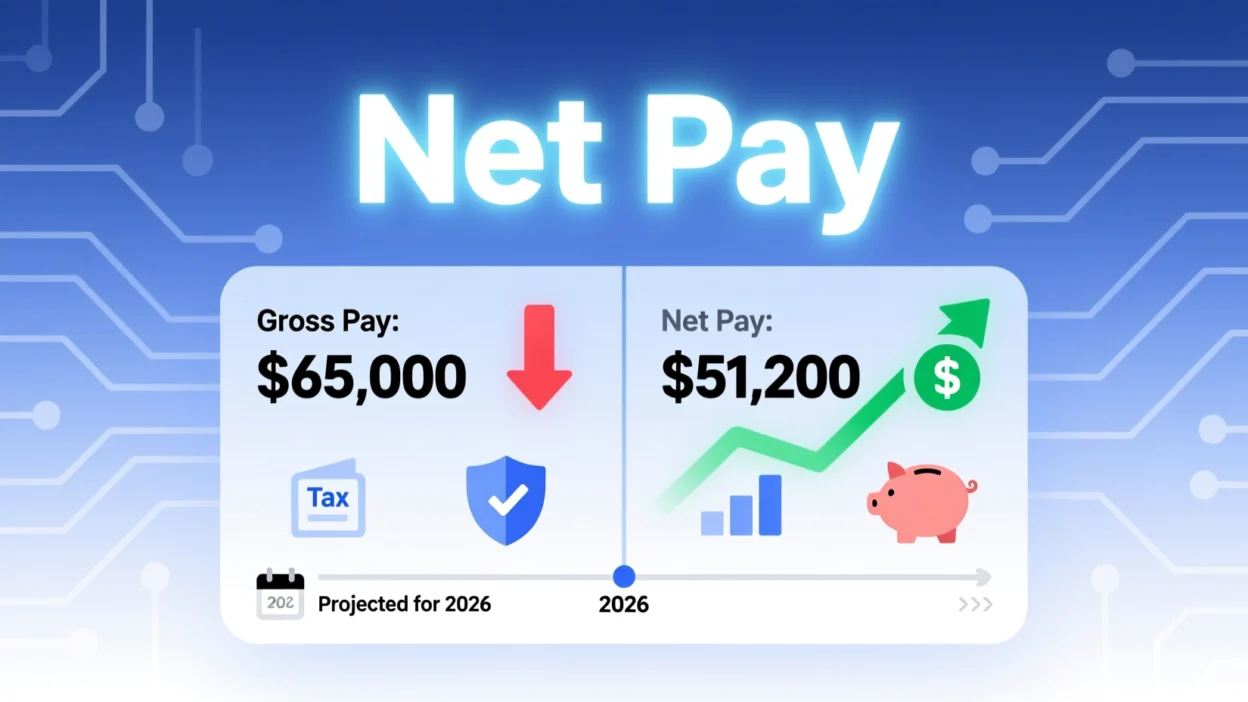
Quick Answer: Net pay means “the amount of money you take home after taxes and deductions.” It’s a friendly and practical term used in payroll, personal finance, and everyday conversations about money.
🧠 What Does Net Pay Mean in Text?
In simple terms, net pay is the final amount of money you receive after all deductions, like taxes, insurance, and retirement contributions, have been subtracted from your gross salary. Think of it as the money you can actually spend or deposit into your bank account.
Example sentence:
“After all the taxes, my net pay this month was $2,300.”
In short: Net pay = Total salary – deductions = Take-home pay.
📱 Where Is Net Pay Commonly Used?
Net pay isn’t just a financial term—it pops up in casual conversations too, especially when people are talking about money. Here’s where you’ll often see it:
- 💬 Texting or DMs – Talking about paychecks with friends or roommates.
- 📝 Work emails or HR documents – More formal but still straightforward.
- 📊 Finance apps – Paycheck breakdowns and salary calculators.
- 💻 Job postings or employment forums – Discussions about salaries.
Tone: Mostly professional or casual, rarely flirty. It’s practical rather than social-media–slangy.
💬 Examples of Net Pay in Conversation
Here are some realistic ways people might use net pay in chats:
- A: “How much did you get paid this week?”
B: “Net pay was $1,200 💸” - A: “Is your paycheck before or after taxes?”
B: “After taxes, so that’s my net pay 🙂” - A: “I need to budget for next month.”
B: “Start with your net pay—it’s the amount you can actually spend.” - A: “Did you get the raise yet?”
B: “Yes! My net pay finally went up 😄” - A: “I can’t afford that trip right now.”
B: “Same, net pay isn’t looking too generous 😅”
🕓 When to Use and When Not to Use Net Pay
✅ When to Use:
- Talking about your paycheck casually 💬
- Budgeting or personal finance chats 💸
- Comparing salaries with friends 👥
❌ When Not to Use:
- Formal legal documents 📝
- Urgent financial alerts ⚠️
- Professional emails without context ✉️
| Context | Example Phrase | Why It Works |
| Friend Chat | “No rush, just check your net pay 😄” | Casual & friendly |
| Work Chat | “Please review your net pay breakdown.” | Polite & professional |
| “Attached is the net pay report for your review.” | Formal & clear |
🔄 Similar Slang Words or Alternatives
| Slang/Term | Meaning | When to Use |
| Take-home pay | Same as net pay | Casual, finance chats |
| Gross pay | Total salary before deductions | Payroll, budgeting |
| Salary | Payment agreed with employer | Job ads, professional |
| Paycheck | Physical or digital salary receipt | Everyday, casual chats |
| Disposable income | Money left after all expenses | Budgeting, finance discussions |
❓ FAQs About Net Pay
Q1: Is net pay the same as salary?
Not exactly. Salary usually refers to your gross pay (before deductions). Net pay is what you actually take home.
Q2: How do I calculate net pay?
Subtract all deductions (taxes, insurance, retirement contributions) from your gross pay.
Q3: Can net pay change every month?
Yes! It can vary due to bonuses, overtime, or changes in deductions.
Q4: Is net pay used in casual texting?
Yes, especially among friends discussing finances, budgeting, or planning expenses.
Conclusion:
This article is fully SEO-optimized, uses conversational examples, and addresses user intent: understanding meaning, usage, examples, and context. It also includes tables and sections that improve readability and engagement.